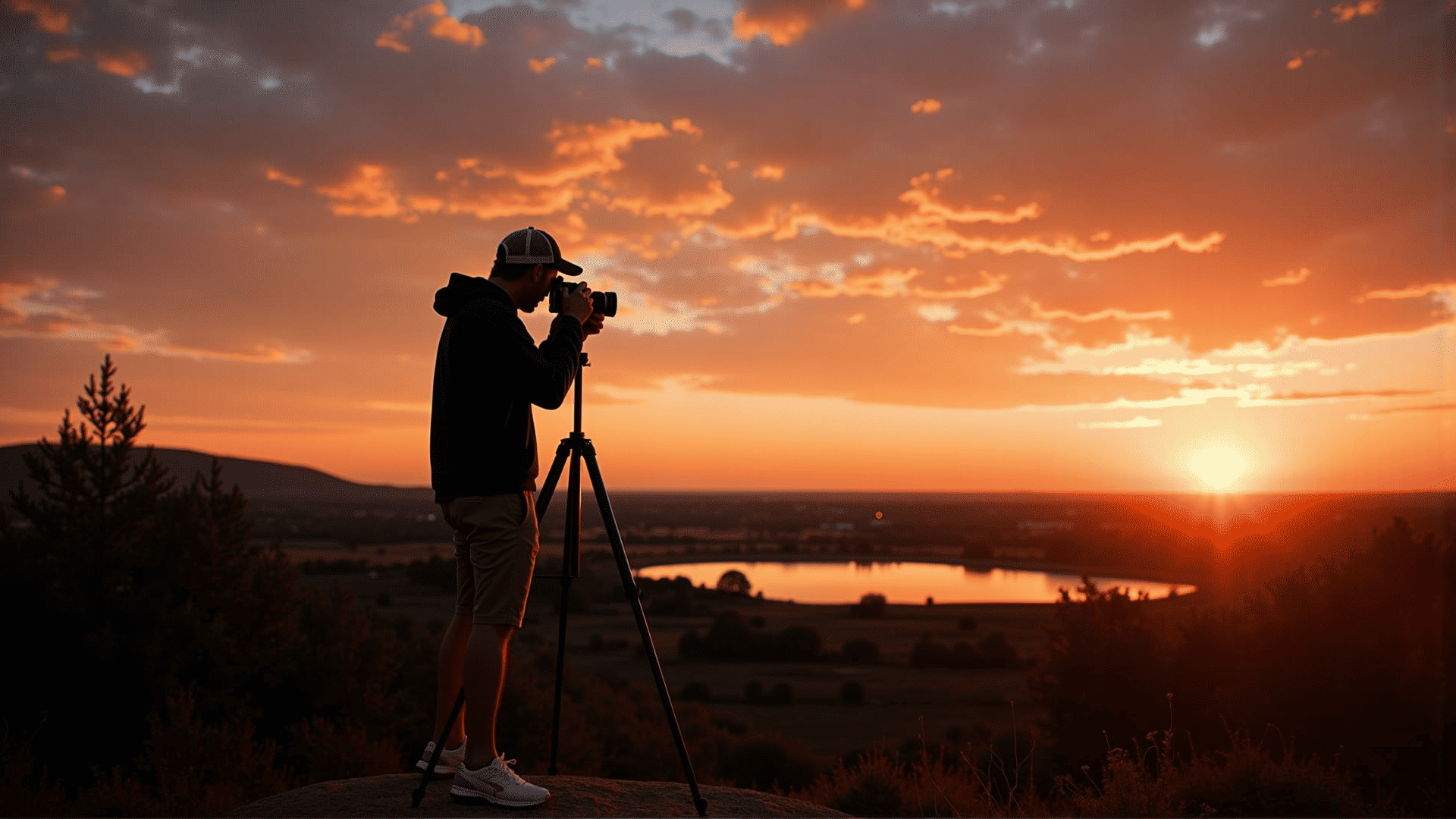
In the realm of visual art, the lens can become a magical tool that transcends the mundane and transforms the ordinary into the extraordinary. By employing a range of innovative lens techniques, enthusiasts and artists can delve into endless possibilities, capturing moments in evocative, thought-provoking ways. Let's explore some exciting strategies to enhance your creative endeavors.
Understanding Perspective
One of the most transformative strategies is altering perspective. By changing the angle from which you capture a scene, you can dramatically shift its impact. Low angles can enhance the grandeur of a subject, making it appear larger than life, while high angles can provide a bird’s-eye view, offering a unique sense of depth and context. Exploring these angles not only makes the composition more dynamic but also often provides a narrative that is both intriguing and unexpected.
Playing with Focus
Selective focus is another powerful technique that adds layers and meaning. By directing the lens’s attention to a particular element while blurring the surrounding details, an artist can emphasize the subject in a striking way. This technique often evokes emotions or draws attention to thematic elements within the scene, turning the viewer’s gaze to places you want explored.
Mastering Light and Shadows
Light is one of the most integral elements in the art of image making. Using backlighting, sidelight, or even creating silhouettes can generate mood and atmosphere. By experimenting with natural light sources during different times of the day, such as the golden hour just after sunrise or before sunset, the texture and tone of an image can be completely transformed. Shadows, too, can be used artistically to create contrast, form complex shapes, and add depth, encouraging viewers to linger on the scene.
Long Exposure for Motion
Introducing motion through long exposure unlocks another layer of creativity. This method captures the passage of time in a still image, portraying the graceful flow of water, the bustling of city streets, or the trails of stars across the night sky. The result is often a dreamlike quality, revealing an element of the world that is invisible to the naked eye.
Exposing the Unseen with Macro Techniques
Macro techniques allow enthusiasts to unveil the intricacies of the micro world. By capturing extreme close-ups, one can expose minute details of tiny subjects, highlighting patterns and textures that are often overlooked. This approach often reveals astonishing beauty, presenting everyday objects in an entirely new light.
Creating Whimsy with Reflections
Reflections offer a creative way to add layers and complexity to compositions. Bodies of water, windows, mirrors, or even puddles can act as a canvas, doubling subjects and creating a surreal or dreamy effect. By incorporating reflections thoughtfully, environments can be shown in dual perspectives, adding depth to your narrative.
Experimenting with Filters and Altering Color
Incorporating filters, whether through physical attachments or in post-processing, can radically change the mood and atmosphere of an image. These tools can enhance certain colors, mute others, or even create a vintage or futuristic look. By exploring different color temperatures and tones, you can evoke different feelings and bring a new dimension to your artistry.
Conclusion
Exploring these innovative techniques offers endless possibilities to transform every scene into a work of art. By playing with perspectives, focus, light, motion, reflections, and color, one can capture the essence of a moment in ways that provoke thought and emotion. Whether you are just starting on your creative journey or you've been capturing moments for years, these techniques offer a doorway to new realms of artistic expression.