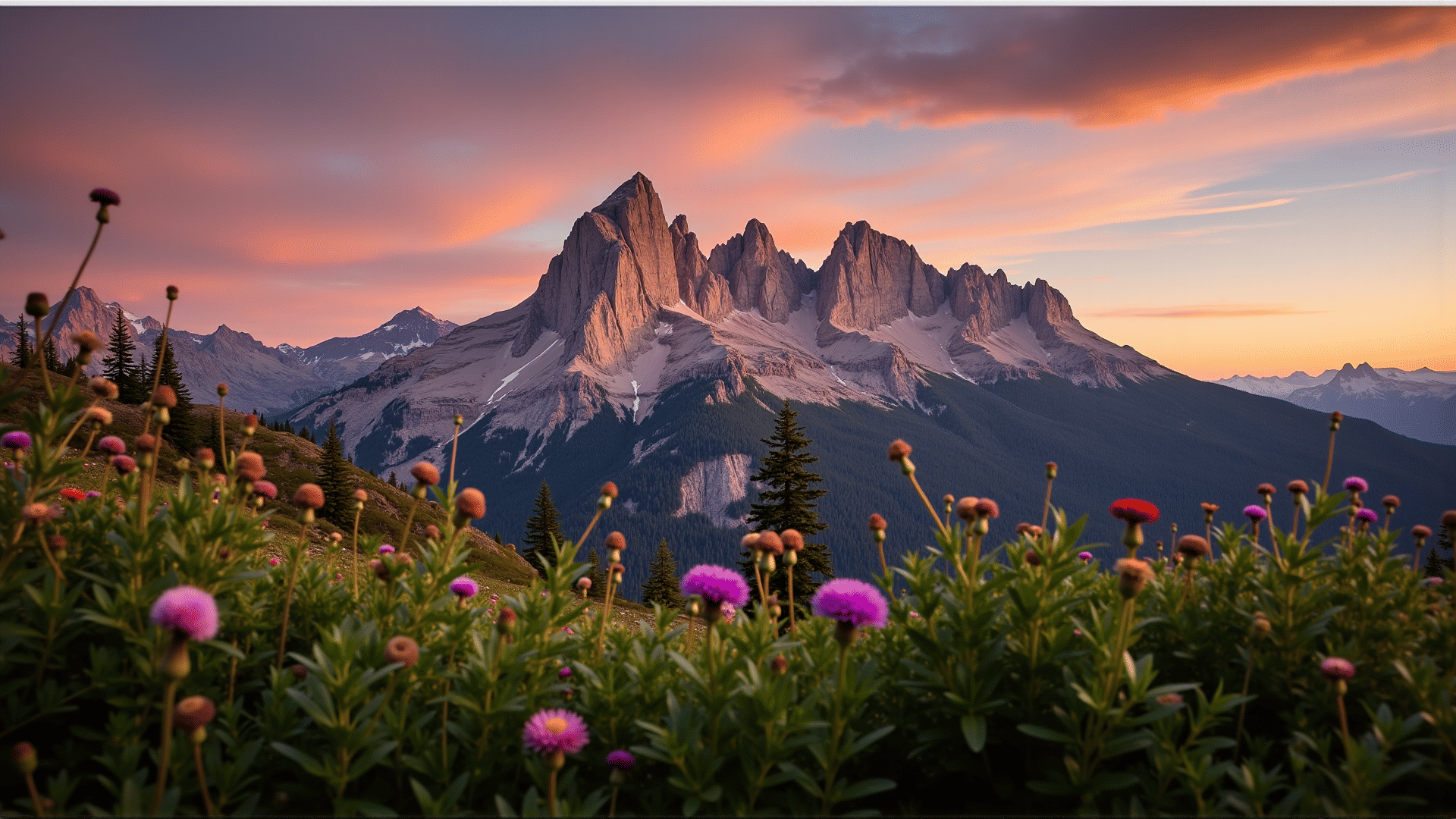
The allure of capturing the great outdoors is undeniable. The natural world, with its captivating vistas, ever-changing light, and dynamic weather, provides endless opportunities for creativity and exploration. In pursuing mastery over this art form, one walks a path that combines technical skill, patience, and an innate understanding of light and composition.
Understand the Environment
One of the essential elements in creating stunning portrayals of nature is gaining a deep understanding of the environment around you. Take the time to observe the landscape before taking any pictures. Notice how the light falls on different elements—how shadows lengthen and shorten as the day progresses. This attentiveness will allow you to anticipate the best moments to capture extraordinary scenes.
The Magic of Timing
Timing is everything when it comes to capturing the perfect landscape. The golden hours—shortly after sunrise and before sunset—provide soft, warm light that imbues scenes with a magical quality. During these times, the natural world appears to glow with a warm hue, creating pictures that are both beautiful and evocative. Experiment with different times of day to understand how light interacts with the landscape in diverse ways, with early morning mists and dramatic twilight skies offering countless opportunities for unique compositions.
Composition Counts
A successful landscape image draws the viewer into the scene, guiding their eye through the frame in a natural and pleasing way. The rule of thirds is a useful guideline for creating balanced compositions. Imagine dividing the scene into a grid of nine equal parts and place points of interest along these lines or at their intersections. Leading lines, such as rivers, roads, or pathways, can direct the viewer's gaze into the picture, creating depth and interest.
Incorporate Elements
Including elements like a tree, rock formation, or a human figure can provide scale and a point of reference in your landscape shots. These elements can anchor the scene, making it more relatable and giving viewers a sense of the vastness or intimacy of the space.
Embrace Weather Variations
While sunny days are often associated with clear and vibrant captures, stormy weather or fog can add mood and drama. These conditions offer an opportunity to capture the landscape's raw and untamed nature. Rain-soaked scenes can be full of reflection and texture, while building storm clouds can add intensity and drama to the frame.
Experiment to Find Your Style
As with any creative pursuit, experimentation is key to developing your unique visual style. Don't shy away from trying new techniques or perspectives. Play with long exposures to create silky water effects in streams or capture the star trails over a mountain range. Trying out different lenses to vary focal lengths can also change how you perceive and portray the landscape.
In conclusion, capturing the essence of the natural world is an endlessly rewarding endeavor. It is not just about finding beautiful locations but also about the journey of observing and interpreting the interplay between light, elements, and the environment. With practice, patience, and a willingness to explore, you can create breathtaking portrayals of the world around you.