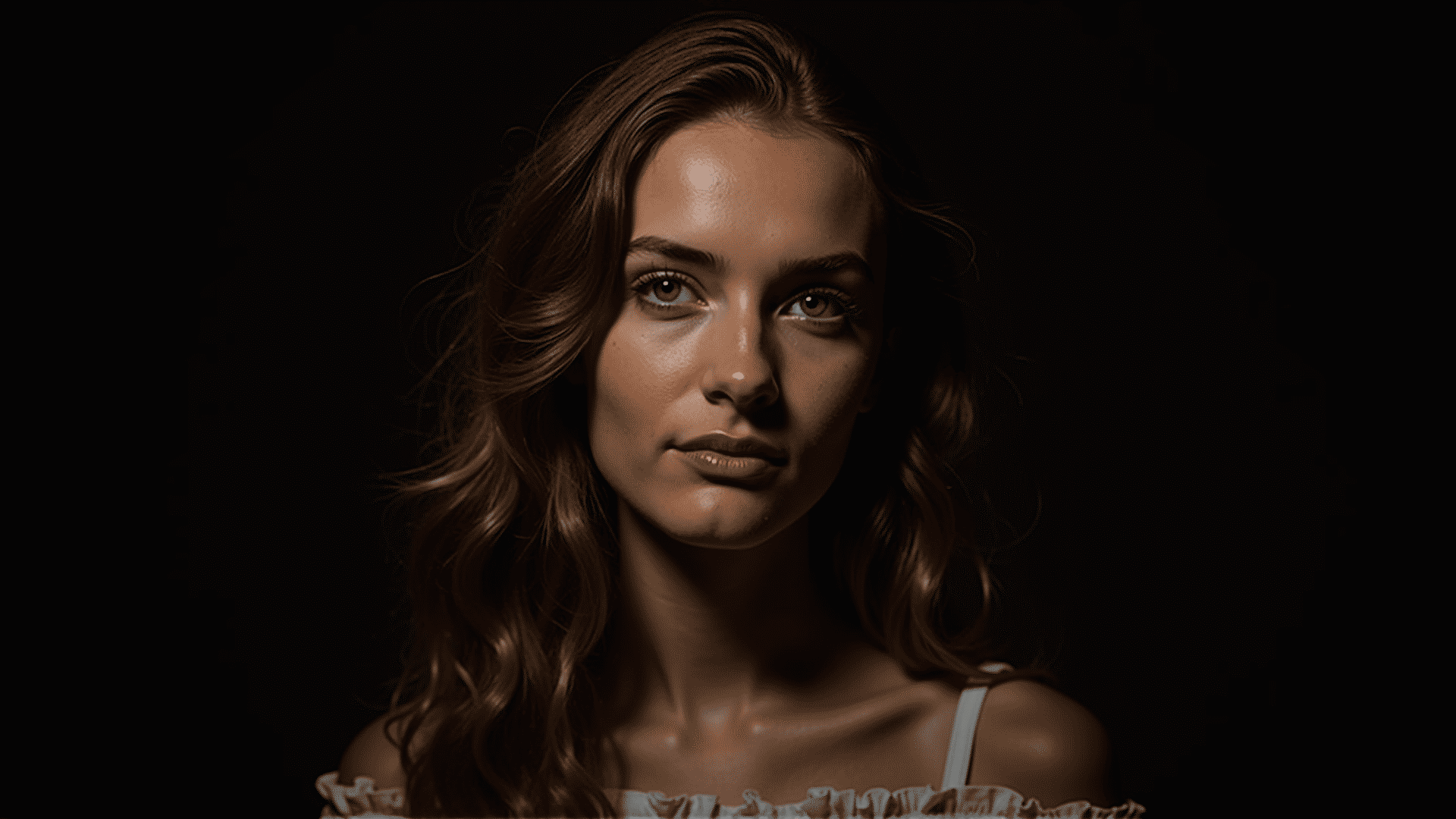
Understanding the interplay of shadow and light is crucial for those who aspire to excel in capturing the essence of emotion and expression. Mastering these techniques can transform a simple image into an evocative piece that resonates with viewers.
Natural Light and Its Qualities
Natural light is often the starting point for many. Its variability and abundance allow for endless possibilities. The time of day plays a significant role in defining the mood of a portrait.
Golden Hour: This period shortly after sunrise and before sunset offers soft, diffused light that wraps gently around subjects, illuminating faces with a warm glow. This is perfect for creating serene and romantic moods.
Midday Challenges: While the sun is high, its harsh, direct light can create stark contrasts and unflattering shadows. However, this can be mitigated by shooting in shaded areas, allowing light to filter through leaves or structures for a dappled effect.
Overcast Days: These provide soft and even lighting, eliminating harsh shadows and allowing for clear, consistent results across the subject's face.
Artificial Lighting Techniques
For more control over the lighting environment, artificial lighting introduces precision to portraiture.
Key Light: This is the primary light source, defining the overall exposure and mood. Positioning it to one side of the subject creates shadows on the opposite side, adding depth and dimension.
Fill Light: Used to soften the shadows produced by the key light, this light should be less intense. It's often angled to reduce contrast and reveal details within the shadowed areas of the face.
Back Light (Rim Light): Placed behind the subject, this light helps to separate the individual from the background, adding a halo-like effect and depth to the portrait.
Background Light: This light is used to illuminate the backdrop, creating separation between the subject and the background and adding a sense of three-dimensional space.
Using Shadows Creatively
Shadows are as vital as light in crafting a compelling portrait. Artists who understand how to manipulate shadows can evoke distinct moods and highlight different aspects of their subject's personalities.
Chiaroscuro: This technique utilizes strong contrasts between light and dark to create a dramatic effect, often used to convey intensity and emotional depth.
Split Lighting: Ideal for a mysterious and moody atmosphere, this involves lighting only one half of the face, leaving the other in shadow. It's perfect for bringing out the texture and character lines on the face.
Broad and Short Lighting: Broad lighting illuminates the side of the face closer to the viewer, while short lighting does the opposite. These techniques can be used to emphasize or slim down facial features, respectively.
Tools for Mastering Lighting
Modifiers are essential tools for anyone looking to refine their lighting techniques.
Diffusers: These soften the harshness of direct light, spreading it evenly across the subject’s face for a gentle, flattering look.
Reflectors: Available in different colors like silver, white, and gold, reflectors bounce light back onto the subject, filling in shadows and adjusting the overall tone of the portrait.
Conclusion
Lighting is a language of its own in capturing the subtle nuances of emotion. By mastering both natural and artificial lighting techniques as well as employing creative use of shadows, one can elevate their work to new levels of artistry. Whether aiming to create a tranquil scene bathed in the soft glow of evening light or a bold image with stark contrasts, understanding the full palette of lighting techniques opens new avenues for creativity and expression.