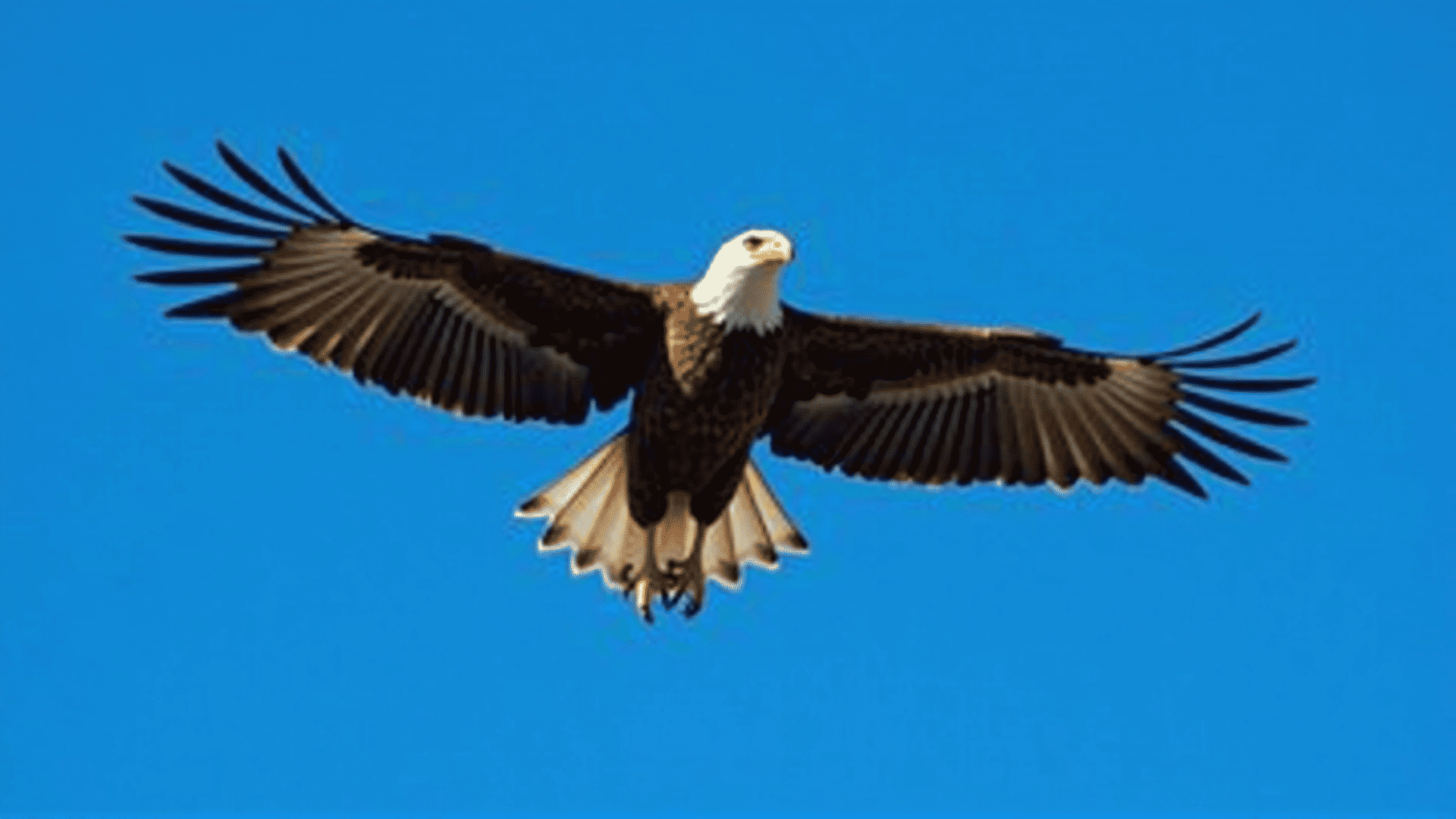
Venturing into the wild to capture the essence of wildlife offers a uniquely thrilling experience. This craft not only demands an understanding of the technical skills but also necessitates patience, respect for nature, and a touch of artistry to capture the soul of the wilderness.
At the foundation of successful captures lies an understanding of the subjects. Each species comes with unique behaviors, which often dictate the approach one must take to capture it effectively. Observing their habits, movement patterns, and interactions within their environment can lead to more authentic and evocative images. Spending time learning about their behavior becomes as imperative as the act of capturing itself.
Lighting plays a critical role in enhancing the mood and conveying the habitat in which these animals reside. Early mornings and late afternoons, fondly referred to as the "golden hours," provide naturally soft and diffused light, casting enchanting shadows and highlights, thus accentuating the raw ambiance of the wild. Adjusting settings to accommodate different lighting conditions ensures that one captures the true texture and detail of the subject.
Proper composition is another vital element. Framing the wildlife within their natural habitat adds context and narrates a story. Employing techniques, such as the rule of thirds, allows the subject to breathe within the frame, creating dynamic and intriguing images. Including elements of the environment within the composition can highlight the creature's scale and place within its ecosystem.
Patience is the virtue that often separates a good capture from a remarkable one. The natural world doesn't operate on a human schedule, and waiting for the perfect moment often requires enduring long hours in one position. It is during these quiet moments that one can observe the candid and sometimes spectacular behavior of wildlife, revealing scenes that capture the imagination.
Respect for nature is paramount. Every action taken within a wild setting should prioritize the well-being of the environment and its inhabitants. Keeping a safe distance not only ensures the safety of both the photographer and the subject but also minimizes disruptions in their natural behavior. It is essential to leave no trace, preserving the sanctity of these natural wonders for generations to come.
Lastly, a piece of this craft lies in storytelling. Every photograph carries a narrative—whether it's the grace of an eagle in flight, the stealth of a predator on the hunt, or the gentle nurturance of a family in the wild. Conveying these stories through images fosters a deeper appreciation of the natural world and highlights the urgency of preserving these majestic landscapes and creatures.
Armed with knowledge, patience, and respect, one can return from the wild with images that resonate with the beauty and wonder of the natural world. These images become not just a collection of visuals but a testament to the enduring allure of wildlife, an invitation for others to marvel at and protect the world's natural heritage.